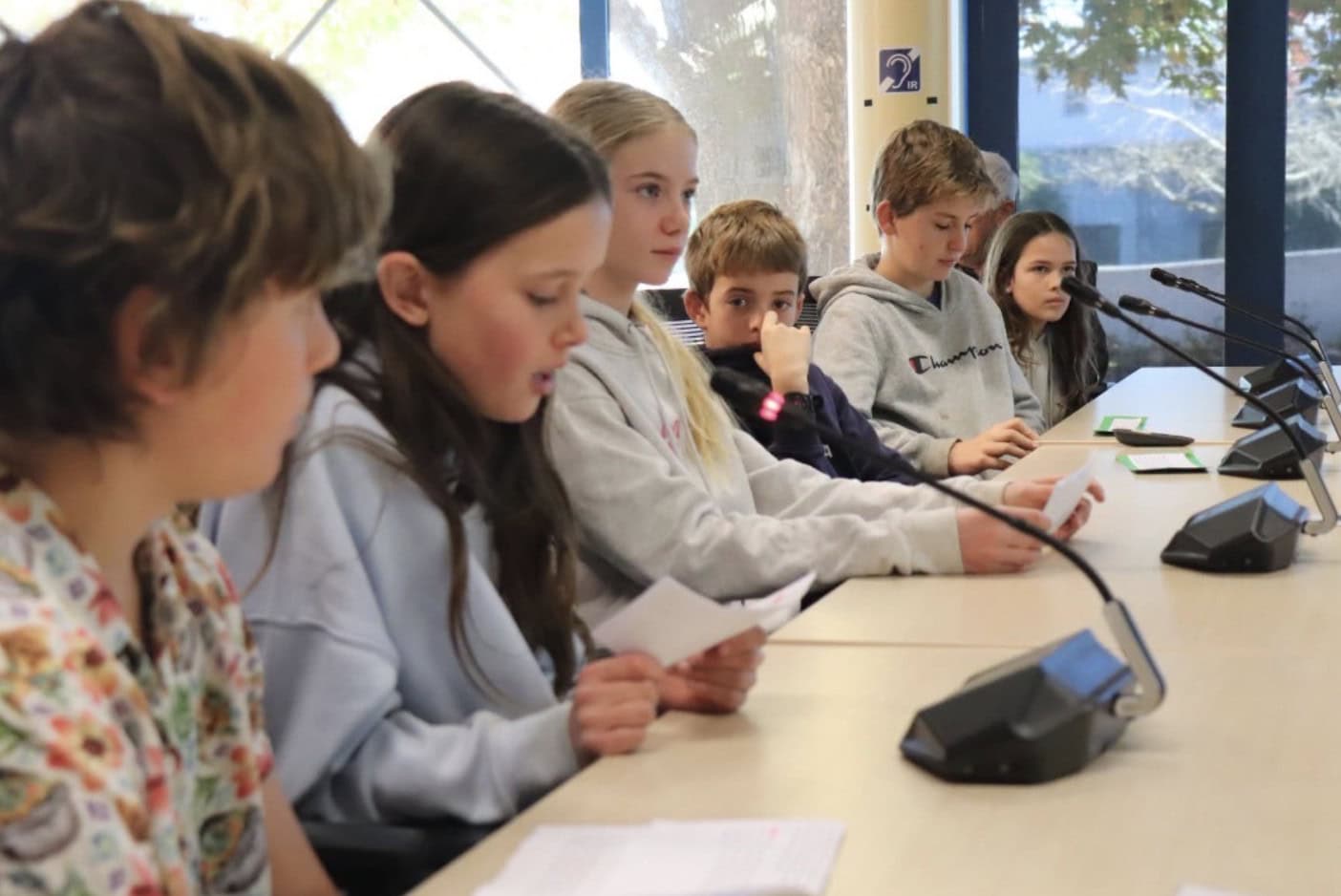
Two Appleby School classes took part last term, in the Whitebait Connection programme, exploring the life of īnanga, investigating the health of local waterways and taking action for the Waimea River.
Learning through games and hands-on activities
The programme began in the classroom with a presentation introducing freshwater ecosystems, the species that depend on them, the impacts on them, and how they could test the health of a water body themselves.
Using an interactive catchment model, students explored how activities on the land can affect streams, rivers, estuaries and the sea. Two high-energy games brought the īnanga lifecycle to life, combining movement, teamwork and discussion to help students understand the challenges these fish face throughout their journey between freshwater and marine environments.
Students learned how pressures such as pollution, sediment, habitat loss and changes to stream margins can affect īnanga and other freshwater species.
Becoming freshwater scientists
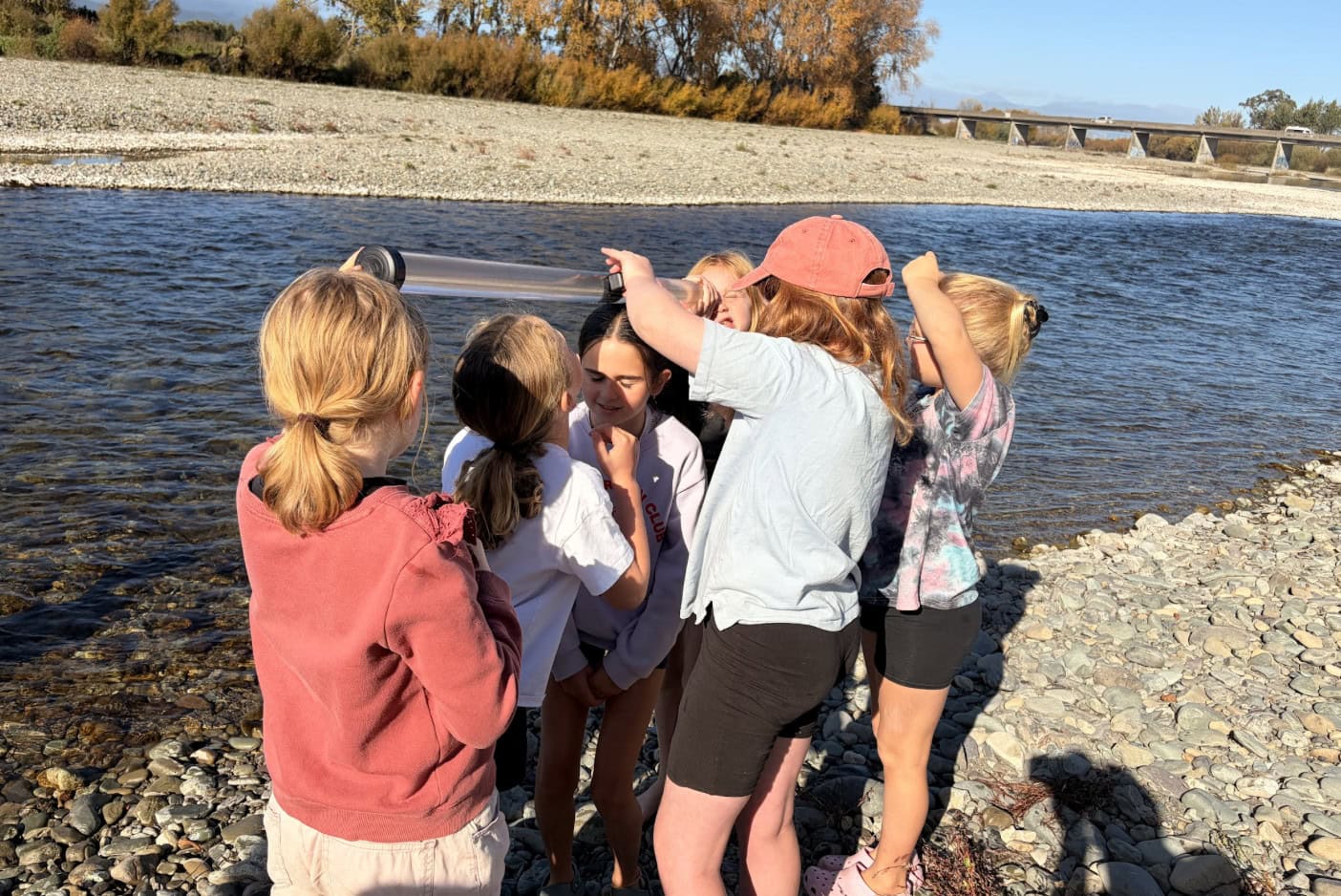
The next session took students out to the Waimea River, where they became freshwater scientists for the day.
Using a version of the Stream Health Monitoring and Assessment Kit (SHMAK) methods, students investigated water quality, habitat conditions and the freshwater macro-invertebrates living beneath the surface. These activities helped them discover how scientists and community monitoring groups use different indicators to assess the health of a waterway.
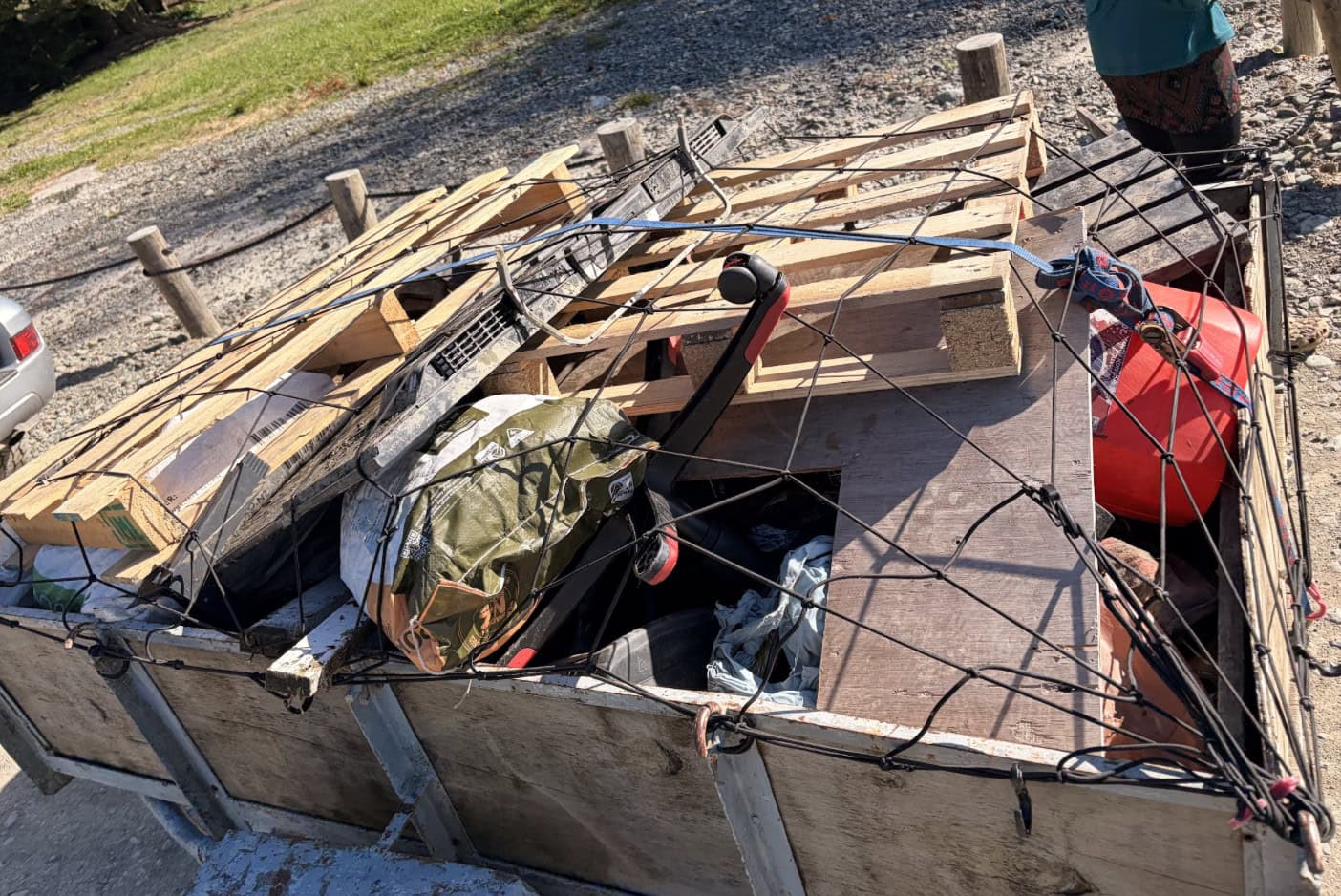
While one class completed the monitoring activities, the other cleared rubbish from the riverbanks before the groups swapped over. Together, the two classes removed an incredible 150 kilograms of rubbish from the river environment, including a TV and a gaming chair! The scale of what they collected provided a powerful, firsthand demonstration of how human behaviour can affect local waterways.
Experiencing a healthy waterway
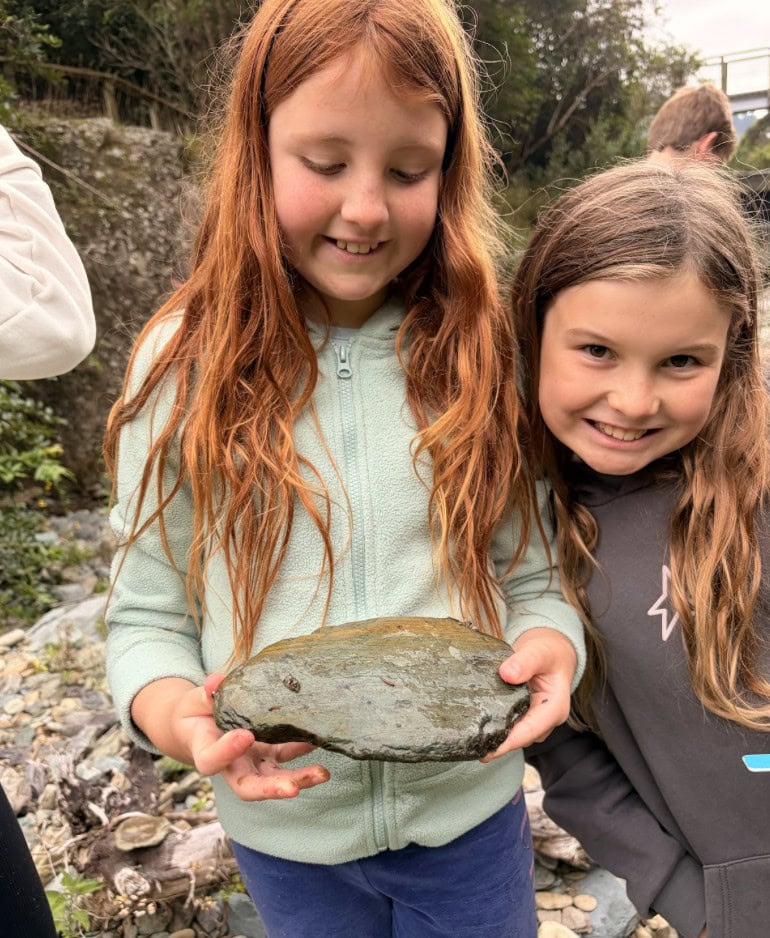
Students then visited Brook Waimārama Sanctuary, where they experienced some of the healthiest freshwater environments in the region.
Protected from many of the human pressures affecting urban and rural waterways, the Sanctuary provided an opportunity to see how nature can recover when native habitat is restored and cared for. Students were able to compare this environment with the Waimea River and consider how surrounding land use influences freshwater health.
Turning results into action
Back at school, students examined and discussed the results collected during their field sessions. They considered what the findings revealed about each waterway and developed their own ideas for improving freshwater health.
Many students wrote letters to the Mayor and councillors, asking for action to help ensure the Waimea River is not treated as a dumping ground. One student explored an especially creative idea: whether freshwater mussels could help filter sediment and improve water clarity. Their action ideas even culminated in several students attending a public council meeting, where they confidently read their concerns directly to council members! Watch this space to see how our council will respond to these young leaders of the community…..
We love seeing how passionate the next generation is about protecting the environment. The programme showed that freshwater education is about more than learning facts. By combining classroom activities, games, scientific monitoring, real-world comparisons and practical action, students developed a deeper understanding of their catchment, and discovered that their voices and ideas can contribute to its future.